A Guide to What You Can and Can’t Dispose of in a Rental Dumpster
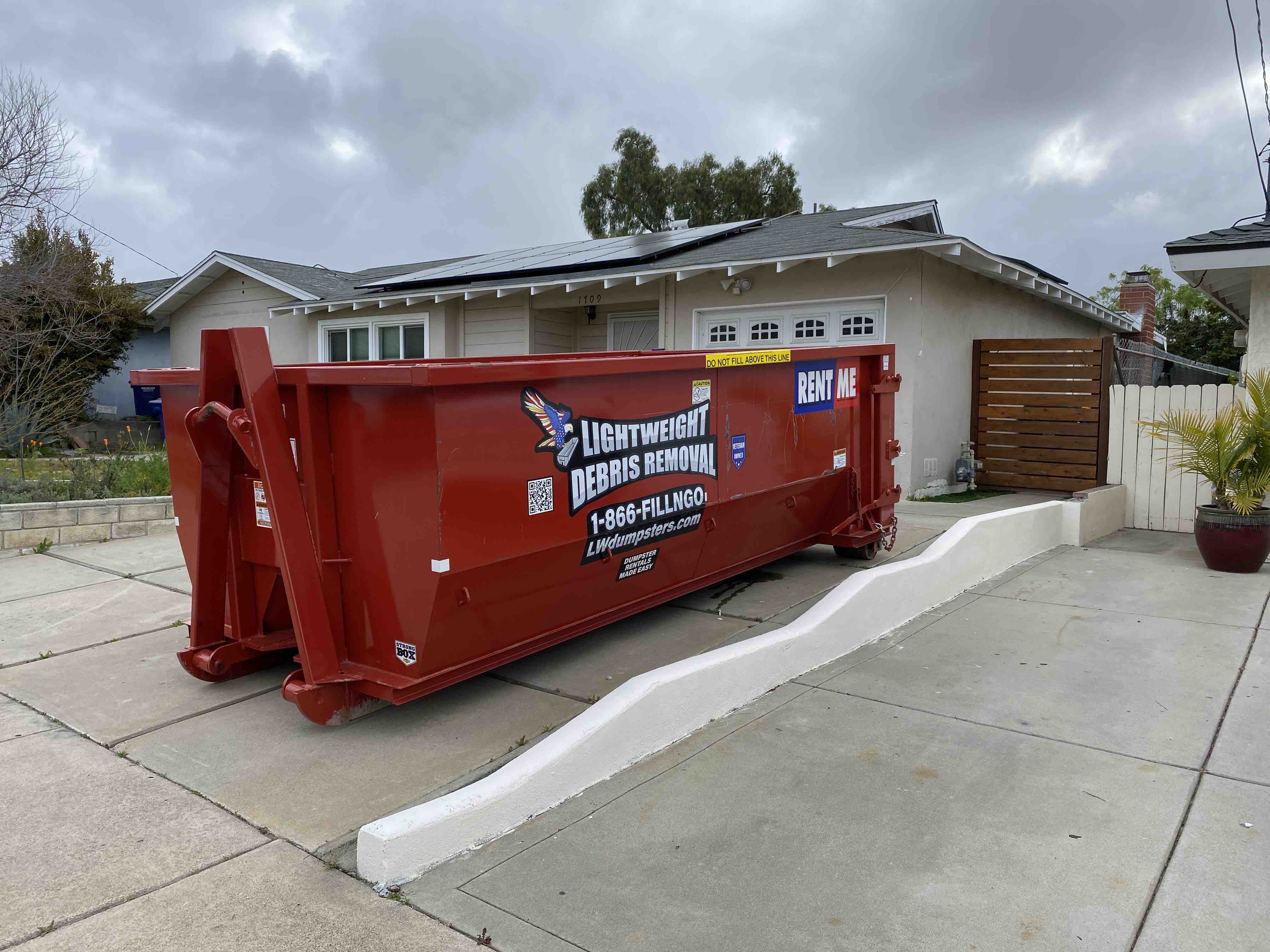
If you’re organizing a renovation or large cleanup, renting a dumpster provides an easy way to handle unwanted materials. However, knowing what materials are allowed and which ones are prohibited is essential for both safety and compliance. Improperly discarding certain items may result in penalties or environmental damage, so awareness is key. Being informed about these restrictions beforehand promotes a smoother, safer cleanup experience.
At Lightweight Debris Removal, we aim to help customers understand proper disposal methods for a safer, easier cleanup. We provide dumpsters that streamline cleanup while ensuring full compliance with disposal standards. Knowing which materials belong in your dumpster helps you avoid extra charges and keeps your project efficient.
Common Household Items You Can Dispose Of
Many everyday home items are acceptable for disposal in rental dumpsters. You can throw away items such as paper, plastic, furniture, clothes, and general household trash. Even old rugs, boxes, and miscellaneous household clutter are suitable for disposal. Because these items don’t need special treatment, they’re perfect for cleaning or moving projects.
Additionally, many non-hazardous remodeling materials can be placed in a website dumpster, such as drywall, wood, siding, tiles, and flooring. If you are completing a small renovation or remodeling a room, these materials are generally safe to discard. Sorting like materials together ensures efficient processing at the waste site. Always confirm that the waste is free of hazardous content before disposal.
Yard Waste and Organic Debris
Yard waste is one of the most common types of debris that homeowners need to dispose of. Items like branches, leaves, grass clippings, and small plants are usually accepted in most dumpsters. A dumpster rental makes it easy to handle yard cleanup after trimming or seasonal maintenance. Disposal centers often accept these organic materials for composting or recycling.
Be sure your yard debris doesn’t include soil with chemicals, treated wood, or hazardous substances. These items may require special disposal because they can harm the environment. Segregating clean yard waste from treated items helps maintain environmental safety. Being mindful of what you load will make your dumpster rental experience more efficient and environmentally responsible.
Debris from Construction and Demolition Projects
Construction and demolition projects generate a large amount of debris, much of which can be safely placed in a rental dumpster. Materials like concrete, brick, stone, wood, and asphalt shingles are typically acceptable. These items are easy to gather and haul away in a rental dumpster during remodeling projects. Responsible debris management ensures site safety and regulatory compliance.
Not every type of building debris is allowed in a standard rental dumpster. Materials like asbestos, chemically treated wood, or insulation with toxins need specific disposal methods. Proper procedures are required since such materials present serious safety concerns. Before loading your dumpster, check with your rental provider to ensure the materials you plan to discard are permitted. Doing so saves time and helps you stay compliant throughout the cleanup.
Prohibited and Restricted Items for Dumpster Use
There are specific items that are off-limits for dumpsters due to environmental, legal, or safety reasons. Dangerous substances like automotive oils, chemicals, paints, pesticides, and batteries should always be kept out. These substances contain chemicals that can leak into the soil or water supply, causing contamination and harm to wildlife. Throwing away these prohibited materials may lead to fines and extra disposal procedures.
In addition to chemical-based materials, other prohibited items include electronics, appliances containing refrigerants, and medical waste. Such materials need special treatment or dedicated recycling systems. Appliances and gadgets often include components that need specialized processing. Always ask your dumpster rental provider about safe alternatives for these restricted materials to ensure you remain in compliance with environmental regulations.
Guidelines for Heavy and Oversized Items
Heavy items like concrete slabs, dirt, or roofing shingles can be disposed of in a rental dumpster, but there are limits to how much weight can be safely transported. Dumpsters that exceed their weight capacity pose safety and transportation risks. Ensure an even distribution of weight by keeping dense and light materials separate. Balanced loading reduces transport risks and protects your property and equipment.
Large items such as furniture or non-hazardous appliances are acceptable provided they comply with size and weight restrictions. If an item is too large to fit, consider breaking it down into smaller pieces. Efficient packing allows you to maximize the space available while maintaining safe loading conditions. Always follow the rental provider’s loading guidelines to ensure smooth pickup and removal once your project is complete.
How to Handle Questionable Items
There are times when you may be uncertain if an item is allowed in a dumpster. Certain items, such as tires, electronics, or mattresses, may fall under different local disposal restrictions. If you’re unsure, check with your dumpster provider first. Your provider can advise on the right disposal method or recommend recycling alternatives. This step helps you avoid penalties and ensures all waste is processed appropriately.
At Lightweight Debris Removal, we make it easy for clients to get accurate information about what’s allowed. We always recommend customers discuss their disposal plans with us before loading the dumpster. By doing so, we can recommend the right container and help you maintain compliance with waste disposal standards. Knowledgeable decisions about waste handling ensure an efficient and responsible project.
Sustainable Waste Disposal Practices
Proper waste management involves more than just filling a dumpster with debris. You should know what happens to waste after collection to ensure eco-friendly outcomes. Proper separation of recyclable materials and hazardous waste helps minimize environmental impact. Whenever possible, recycling items such as metal, cardboard, and clean wood can reduce landfill waste and support sustainability. A little preparation before disposal makes a big difference in protecting the environment.
While dumpsters simplify waste removal, proper handling remains essential. Adhering to local disposal laws and provider rules ensures compliance. Pre-sorting your materials makes disposal quicker and reduces contamination risk. Choosing a dependable provider guarantees ethical, rule-abiding waste management for your community.
Commitment to Responsible Waste Handling
Awareness of dumpster disposal rules keeps your cleanup safe, legal, and efficient. Pre-sorting items leads to faster, cleaner, and greener disposal. By understanding disposal guidelines, you not only make the most of your dumpster rental but also support safe and responsible waste management practices.
Lightweight Debris Removal takes commitment in guiding customers toward responsible disposal practices. Our rentals streamline cleanup without compromising on environmental responsibility. By providing clear instructions, we help ensure that your waste is handled safely from beginning to end.